The Everlasting Appeal of Stripes
30th April 2026
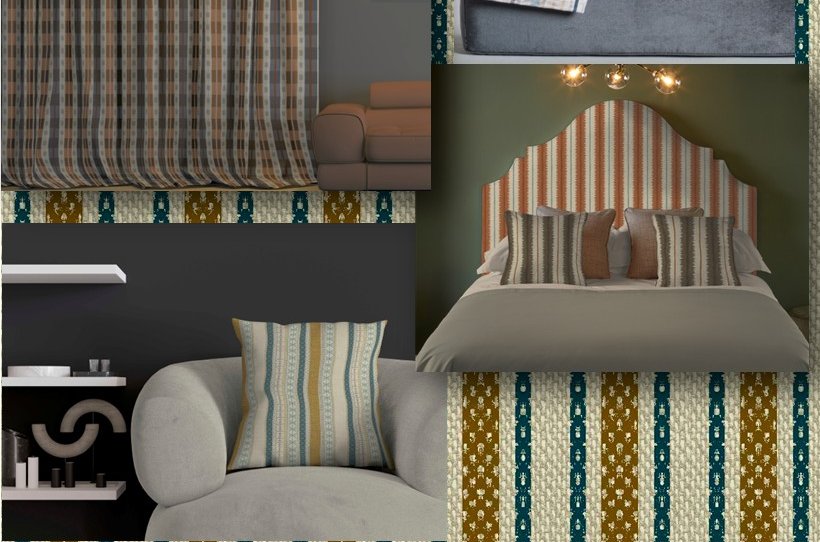
Striped patterning endures because it is endlessly adaptable Thoughtfully applied, stripes don’t just decorate a space—they shape how it is experienced.
The Appeal of Stripes in Hotel Interiors
Striped patterning has long held a confident place in interior design, but in contract interiors—particularly hotels—its value goes far beyond decoration. Stripes are a powerful design tool: they influence perception of space, add identity, and help create layered, memorable environments that feel considered yet welcoming. From tailored verticals to painterly, impressionist interpretations, stripes can be adapted to suit a wide range of hotel areas and experiences.
Why Stripes Work So Well in Contract Interiors
Hotels face a unique design challenge. Spaces must be visually engaging, withstand heavy use, and age gracefully over time. Stripes answer all three requirements. Their inherent structure gives clarity and rhythm to interiors, while their versatility allows them to feel classic in one scheme and contemporary in another. Importantly, stripes can be scaled, softened, or abstracted to suit everything from formal public spaces to relaxed guest rooms.
Creating Height and Elegance with Vertical Stripes
One of the most effective applications of stripes in hotels is on curtains. Vertical stripes naturally draw the eye upward, visually elongating windows and increasing the perceived ceiling height. This is particularly valuable in guest bedrooms or urban hotels where architectural proportions may be limited.
In contract settings, vertically striped curtains also lend a sense of tailored elegance. Even a subtle tonal stripe can elevate plain fabrics, delivering refinement without overpowering the space. Designers often favour restrained colour palettes—such as soft greys, warm neutrals, or muted blues—to ensure longevity while still enhancing spatial perception.
Vertical striping is also practical: it disguises wear better than flat plains and retains visual interest under varying lighting conditions, from daylight through to evening mood lighting.
Wide Stripes for a Relaxed, Coastal Sensibility
At the other end of the spectrum, wide stripes introduce a softer, more relaxed aesthetic—ideal for cushions, throws and accent upholstery. In hotels with coastal, spa or resort influences, broad horizontal or softly angled stripes can subtly reference deckchairs, shoreline horizons and nautical themes without becoming overt or clichéd.
Used on cushions in lounges, bedrooms or lobby seating, wide stripes break up solid upholstery and add movement to seating areas. They are particularly effective when rendered in washed tones—sand, chalk, seafoam, faded navy—or textured weaves that emphasise comfort and tactility. In public areas where guests linger, this sense of visual ease plays an important role in creating inviting, humanised spaces.
From a contract perspective, striped cushions also offer flexibility. They can be rotated seasonally or refreshed easily, allowing hotels to update colour accents without major refurbishment.
Impressionist Stripes on Furniture: Adding Character and Depth
More contemporary hotel interiors are increasingly embracing impressionist or painterly stripes on furniture. These designs blur the boundaries between stripe and texture—lines may vary in width, fade at the edges, or overlap organically, creating a sense of movement and individuality.
When applied to statement chairs, banquettes or occasional seating, impressionist stripes offer visual depth without the rigidity of traditional linear patterns. They work especially well in boutique hotels, bars and lounges where personality and storytelling are central to the guest experience.
This approach to striping also supports durability. The irregularity of the pattern helps mask scuffs, fading and everyday wear, making it a smart option for high-traffic areas while still delivering a distinctive design statement.
Cohesion Through Variation
One of the most successful ways hotels use stripes is through variation rather than repetition. Vertical stripes on curtains, wide stripes on cushions, and abstract stripes on furniture can all coexist within the same scheme. When united by a consistent colour palette, this layered approach creates cohesion while avoiding uniformity.
Stripes also pair beautifully with other materials commonly found in contract interiors—wood, leather, metal and natural stone. Their linear quality contrasts well with organic surfaces, balancing structure and softness throughout a space.
A Timeless Pattern with Modern Relevance
Striped patterning endures because it is endlessly adaptable. In hotel interiors, it enhances architecture, supports wayfinding, introduces comfort and contributes to a clear brand identity. Whether used to add height through vertical drapery, evoke relaxed coastal charm with wide stripes, or bring artistic flair through impressionist furniture designs, stripes remain one of the most effective tools in the contract interior designer’s palette.
Thoughtfully applied, stripes don’t just decorate a space—they shape how it is experienced. Check out the stripes in our STUDIO collection and order free samples.